Ethics
Consent Doesn't End at the Interview
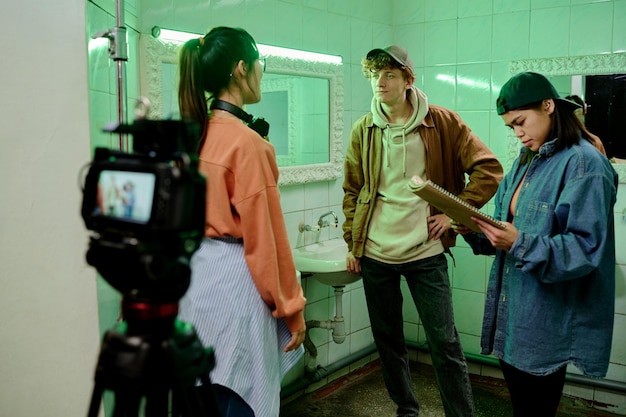
A source signing a release form at the start of an interview is a familiar image, and an important one. But it can also give a misleading impression: that consent is a single moment, settled once and then closed. In documentary work, we've found the opposite to be true more often than not.
People say things in an interview they hadn't planned to say. They speak more openly than they meant to, sometimes because a good conversation naturally goes there, sometimes because they trust the person holding the microphone more than they realised they would. That trust carries a responsibility that doesn't expire when the recording stops.
Checking in during the edit
Before an episode goes out, we return to sources whose material forms a substantial part of the piece and let them hear how their words are being used in context. This isn't about giving anyone editorial control over the finished work — we're clear about that from the outset. It's about making sure nobody is surprised by how their own voice sounds once it's placed alongside everything else.
Occasionally this leads to a change: a section removed at someone's request, a clarifying line added, a name withheld that wasn't withheld in the original recording. More often it simply confirms we read the moment correctly. Either way, the conversation happens before release, not after a complaint.
What goes in the sound note
Every episode includes a short note describing the recording conditions and any edits made for clarity. We treat this as part of the documentary itself rather than a legal footnote. If a section was trimmed for length, the note says so. If background noise was reduced to make speech intelligible, the note says that too. Listeners and readers deserve to know where our hand touched the material.
We won't claim this process is flawless. It slows production, and it occasionally means a story we'd hoped to run doesn't run, because a source ultimately withdraws something central to it. We've made peace with that cost. A documentary built on someone's discomfort isn't one we want our name on.
Want to talk through how we work?
We're glad to explain our process to anyone considering sharing their story with us.
Get in Touch